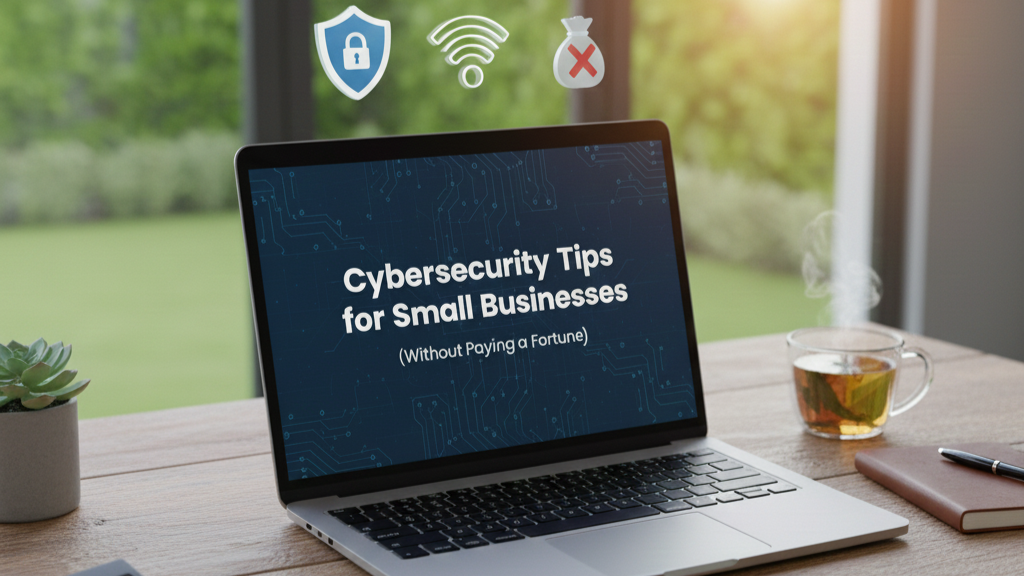
Cybersecurity is no longer something only big companies need to worry about. Small businesses are often targeted by hackers because they are easier to access. A single security breach can cause data loss, financial damage, and harm your reputation. The good news is that protecting your business does not have to cost a fortune. By following a few practical tips, you can keep your business safe and secure without breaking the bank.
Here are some easy and effective cybersecurity tips for small businesses.
1. Use Strong Passwords
Weak passwords are one of the easiest ways hackers gain access to your systems. Avoid simple passwords like “123456” or “password.” Use long, unique passwords that include letters, numbers, and symbols. Consider using a password manager to store and generate strong passwords for all your accounts.
2. Enable Two-Factor Authentication
Two-factor authentication (2FA) adds an extra layer of security. Even if someone steals your password, they will not be able to access your account without the second factor, such as a code sent to your phone. Enable 2FA on email, cloud storage, and social media accounts.
3. Keep Software Updated
Outdated software can have vulnerabilities that hackers exploit. Make sure your operating systems, applications, and antivirus programs are up to date. Turn on automatic updates whenever possible to stay protected without extra effort.
4. Back Up Your Data Regularly
Data loss can happen due to malware, ransomware, or hardware failure. Back up important files regularly to an external drive or a cloud service. Having backups ensures that even if your data is compromised, you can recover quickly.
5. Use Firewalls
A firewall helps prevent unauthorized access to your network. Most computers and routers have built-in firewalls that you can enable for free. Firewalls act as a barrier between your business network and potential threats online.
6. Train Employees on Security
Human error is one of the most common causes of data breaches. Teach your employees to recognize phishing emails, suspicious links, and unsafe downloads. Simple training sessions can prevent costly mistakes.
7. Secure Your Wi-Fi Network
An unsecured Wi-Fi network can be easily hacked. Use strong passwords, enable WPA3 encryption if possible, and hide your network name from public view. Limit access to trusted devices only.
8. Limit Access to Sensitive Data
Not everyone in your business needs access to all data. Restrict access to sensitive information, such as financial records or customer details, to only those who need it. This reduces the risk of internal breaches or accidental leaks.
9. Install Antivirus and Anti-Malware Software
Good antivirus software can protect your business from viruses, malware, and ransomware. There are free and affordable options available that provide solid protection for small businesses. Keep the software updated to stay secure.
10. Plan for a Security Incident
Even with all precautions, breaches can still happen. Have a clear plan for what to do if your business is compromised. This plan should include notifying affected parties, restoring backups, and reviewing security measures to prevent future incidents.
11. Protect Mobile Devices
Many small businesses rely on mobile devices for work. Ensure that smartphones and tablets are password-protected, encrypted if possible, and have remote wipe capabilities. Encourage employees to avoid downloading apps from unknown sources.
12. Use Secure Payment Methods
If your business handles online payments, use secure payment gateways and avoid storing sensitive payment information unless necessary. Look for platforms that offer fraud protection and encryption to keep transactions safe.
Final Thoughts
Cybersecurity may seem complicated, but taking small, consistent steps can make a big difference. You do not need to spend thousands of dollars to protect your business. By using strong passwords, keeping software updated, training your employees, and having a plan for incidents, you can significantly reduce your risk.
Keeping your business secure protects not just your data and finances but also your customers’ trust. Start with these simple, affordable steps today and build a safer business environment for tomorrow.