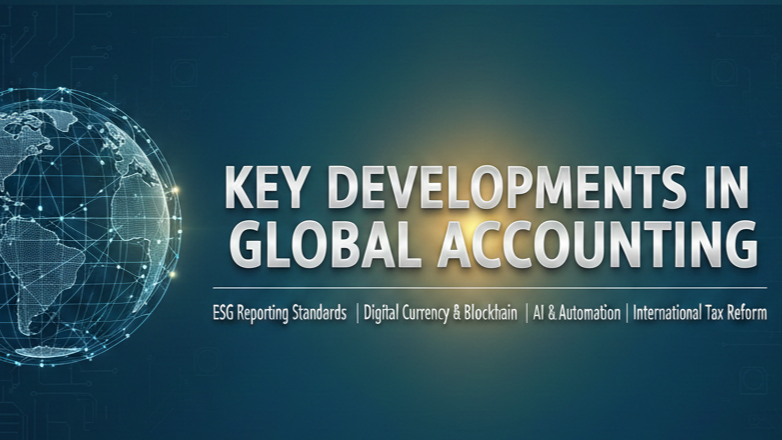
As 2025 draws to a close, the international accounting landscape has seen significant advancements aimed at enhancing transparency, comparability, and relevance in financial and sustainability reporting. Standard-setters like the International Accounting Standards Board (IASB) and the International Sustainability Standards Board (ISSB) have issued key updates, while broader challenges such as talent shortages and geopolitical uncertainties continue to shape the profession. This article explores major themes driving change for multinational entities, investors, and practitioners worldwide.
New Model for Managing Interest Rate Risk
In December 2025, the IASB proposed a groundbreaking Risk Mitigation Accounting model to better align financial statements with how banks and financial institutions manage interest rate risk. This optional approach addresses longstanding feedback that existing hedge accounting rules under IFRS 9 fail to capture dynamic portfolio management practices.
The proposal introduces amendments to IFRS 9 and IFRS 7, allowing entities to reflect the economic effects of derivatives used to mitigate net repricing risk. It also seeks views on withdrawing the remaining hedge accounting provisions in IAS 39. With a consultation period extending to July 2026, including fieldwork for testing, this could mark a major shift toward more representative reporting of interest rate risk management, particularly for banks operating globally.
Renewed Push for US-International Convergence
The US Securities and Exchange Commission (SEC) signaled in late 2025 a desire to revive cooperation between US bodies like the Financial Accounting Standards Board (FASB) and international counterparts, including the IASB and International Auditing and Assurance Standards Board (IAASB). The aim is to reduce complexity and costs for cross-border entities.
This initiative emphasizes convergence in core financial reporting while urging the IFRS Foundation to prioritize traditional accounting over expanded sustainability efforts. Amid ongoing debates about IFRS adoption for US issuers, greater alignment could ease burdens for multinational groups, though differences in approaches to emerging issues like digital assets persist.
Progress in Sustainability Reporting
The ISSB finalized targeted amendments to IFRS S2 Climate-related Disclosures in December 2025, easing greenhouse gas emissions measurement challenges identified during early implementation. Changes include permissions to focus Scope 3 Category 15 emissions on financed emissions, flexibility in industry classifications, and extended reliefs for jurisdictional methods.
These adjustments maintain investor-focused information while supporting smoother adoption across regions like the EU, Australia, and beyond. Interoperability with local rules remains a focus, as mandatory sustainability assurance grows worldwide.
Crypto Asset Accounting: Diverging Paths
While US GAAP introduced fair value measurement for certain crypto assets effective 2025, IFRS entities largely continue under a cost-less-impairment model per IAS 38, with limited revaluation options. The IASB is researching potential fair value approaches for investment-type intangibles, including cryptocurrencies.
These inconsistencies highlight global fragmentation in reporting volatile digital assets, affecting comparability for firms with international operations or listings.
Preparing for IFRS 18
Entities are gearing up for IFRS 18 Presentation and Disclosure in Financial Statements, mandatory from 2027 but encouraging early preparation. Replacing IAS 1, it mandates structured subtotals in the profit or loss statement, improved classification of income and expenses, and specific disclosures for management-defined performance measures.
This overhaul promises better investor insights through consistent aggregation and disaggregation principles.
Talent Shortages Reshaping the Profession
Global surveys in 2025 confirm an intensifying accountant shortage, driven by retirements, declining enrollments, and competition from other fields. Firms report rising salaries, increased stress, and reliance on outsourcing or technology to fill gaps.
Initiatives include expanded advisory services, AI integration for routine tasks, and calls for STEM designation to attract talent. Private equity interest and hybrid work models are evolving the profession amid demands for skills in sustainability and data analytics.
Addressing Uncertainties in Reporting
In November 2025, the IASB released illustrative examples on disclosing uncertainties, using scenarios like climate risks, geopolitical tensions, and inflation. These non-mandatory guidance materials demonstrate application of existing requirements in standards such as IAS 1, IAS 36, and IAS 37.
They emphasize materiality judgments, significant estimates, and connected disclosures, helping entities report effects of global risks more consistently.
These developments reflect a profession adapting to economic volatility, technological disruption, and investor demands for reliable information. As convergence efforts resume and sustainability integrates further into core reporting, accountants play a pivotal role in navigating this dynamic environment. Multinational entities should monitor consultations and prepare for transitions to ensure compliance and enhanced decision-useful reporting.