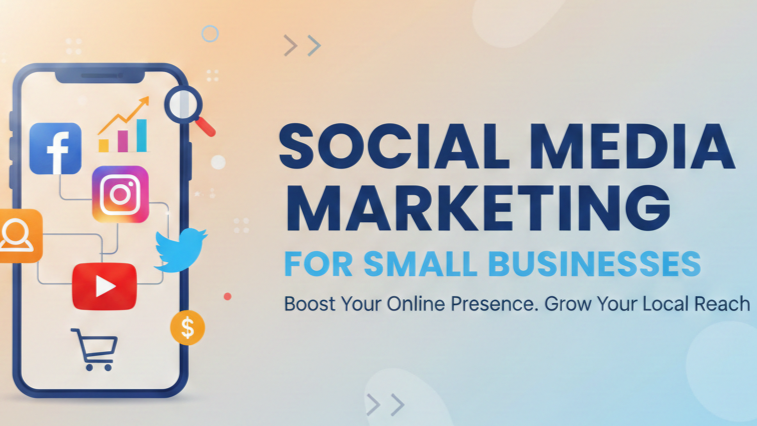
Social media has become one of the most powerful tools for small businesses. It allows you to connect with customers, promote your products or services, and grow your brand without spending a fortune. However, many small business owners feel overwhelmed when starting social media marketing. The good news is that you can achieve excellent results by following a simple step-by-step approach.
This guide will walk you through everything you need to know to use social media effectively for your small business.
Step 1: Define Your Goals
Before posting anything, it’s important to know why you are using social media. Ask yourself questions like:
- Do I want to increase brand awareness?
- Do I want to attract more customers to my website or store?
- Am I trying to build a loyal community around my brand?
Your goals will guide which platforms you use, the type of content you create, and how you measure success.
Step 2: Know Your Audience
Understanding your audience is key to creating content that resonates. Think about:
- Age, gender, and location
- Interests and hobbies
- Problems or needs your business can solve
When you know your audience, you can tailor posts that attract the right people instead of wasting time trying to reach everyone.
Step 3: Choose the Right Platforms
Not every social media platform is suitable for every business. Focus on the platforms where your audience is most active. For example:
- Facebook: Great for reaching a broad audience and building a community
- Instagram: Ideal for visual content like photos, videos, and stories
- LinkedIn: Perfect for B2B businesses and professional networking
- TikTok: Works well for fun, short videos that can go viral
- Twitter/X: Useful for updates, news, and engaging directly with customers
Start with one or two platforms and grow gradually instead of trying to be everywhere at once.
Step 4: Create a Content Plan
Consistency is key in social media marketing. Plan what you will post and when. Your content plan should include:
- Types of posts (photos, videos, tips, promotions)
- Posting schedule (daily, three times a week, weekly)
- Special campaigns (holiday promotions, product launches)
Use tools like Canva to design posts and scheduling tools like Buffer or Later to automate posting.
Step 5: Post Engaging Content
Engaging content encourages likes, shares, and comments. Focus on content that is:
- Informative: Tips, how-to guides, and advice
- Entertaining: Funny or inspiring stories
- Promotional: New products, services, or offers
- Interactive: Polls, questions, or quizzes
Remember, social media is about connecting with people, not just selling.
Step 6: Interact With Your Audience
Responding to comments and messages shows that your business cares about its customers. Engage with followers by:
- Replying promptly to questions or concerns
- Liking and commenting on user posts about your brand
- Asking for feedback and suggestions
This interaction builds trust and encourages repeat business.
Step 7: Monitor and Analyze Performance
Use analytics tools provided by platforms like Facebook Insights, Instagram Insights, or LinkedIn Analytics to track:
- Number of followers
- Engagement rates (likes, comments, shares)
- Website clicks or conversions from social media
Regular analysis helps you understand what works and what needs improvement. Adjust your strategy based on results.
Step 8: Use Paid Advertising Wisely
Paid social media advertising can give your posts a boost. Even a small budget can help you reach a larger audience. Start with:
- Targeted ads for your specific audience
- Promoting your best-performing posts
- Testing small campaigns before investing more
Paid ads should complement your organic social media efforts, not replace them.
Step 9: Stay Updated With Trends
Social media trends change quickly. Keep an eye on:
- Popular hashtags and challenges
- New features on platforms
- Competitors’ strategies
Adapting to trends helps your business stay relevant and visible.
Step 10: Be Patient and Consistent
Success on social media does not happen overnight. It requires consistency, patience, and learning from mistakes. Keep posting valuable content, engaging with your audience, and refining your strategy. Over time, you will see growth in followers, engagement, and sales.
Final Thoughts
Social media marketing is one of the most cost-effective ways for small businesses to reach customers and build their brand. By following these steps, you can create a strong social media presence, connect with your audience, and grow your business without spending a fortune. Start small, stay consistent, and focus on providing value. Your efforts will pay off in the long run.